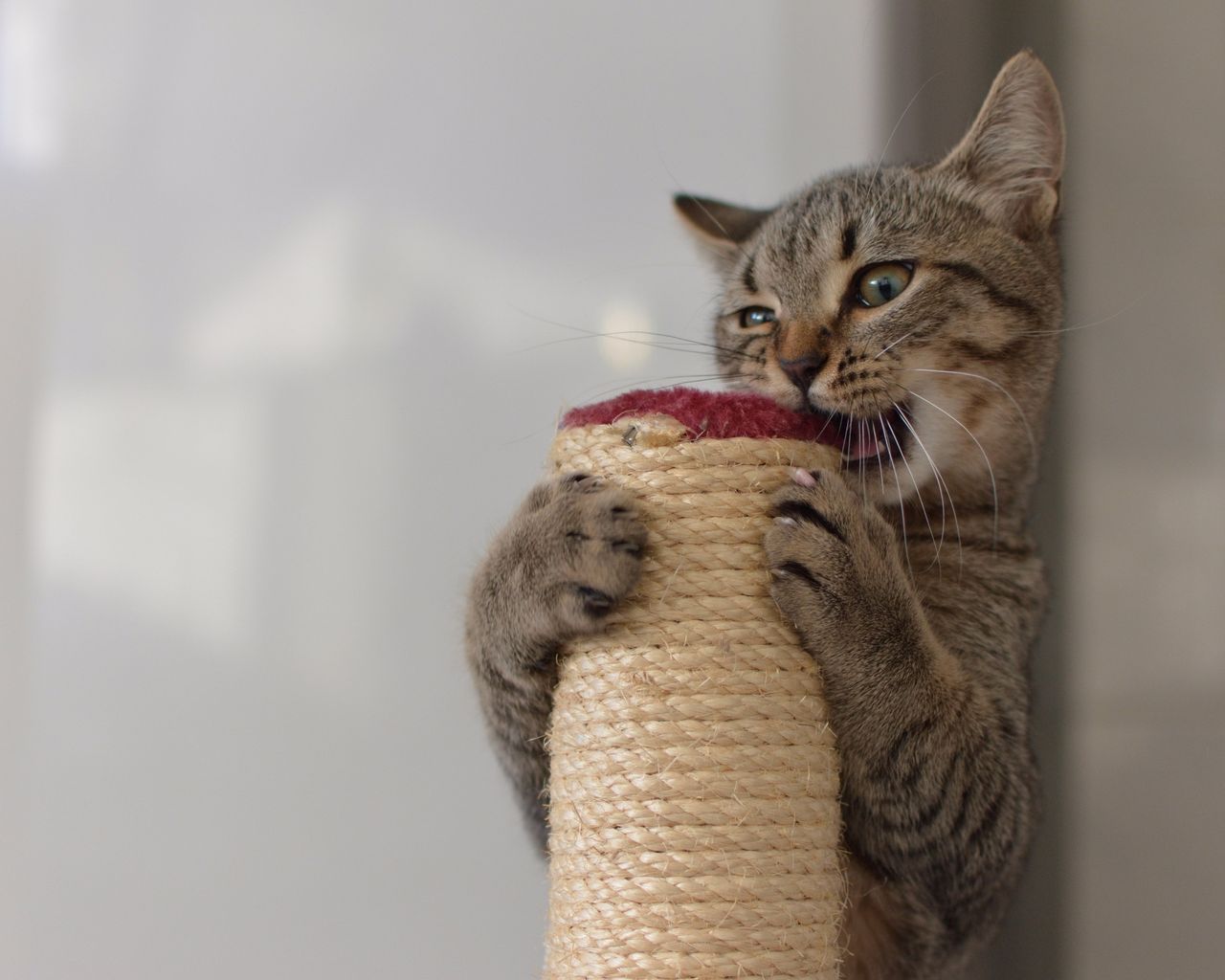
Your cat is sitting by the window again, eyes half-shut, tail twitching with boredom. Maybe they’ve already batted their toy mouse under the couch, or worse, turned to clawing your furniture for entertainment. Sound familiar?
Cats are natural hunters and problem-solvers, wired to stalk, chase, and explore. When they live indoors, however, their environment can feel a little too safe—and a little too boring. That’s where enrichment through indoor games comes in.
Playing with your cat isn’t just fun—it’s essential. Games provide the mental stimulation and physical exercise cats need to thrive, while also reducing stress and preventing unwanted behaviors. And the best part? You don’t need fancy gadgets to get started. With a mix of DIY toys and clever store-bought options, you can turn any living room into a feline playground.
Why Indoor Games Matter for Cats
Indoor cats may be safer from outdoor dangers, but they miss out on the stimulation the outside world naturally provides. Without enough play:
- They risk becoming overweight or unhealthy from lack of exercise.
- Boredom can lead to behavioral issues like scratching furniture, over-grooming, or constant meowing.
- They can develop stress or anxiety, especially if left alone for long stretches.
Games mimic natural behaviors—hunting, pouncing, and problem-solving—that keep cats mentally sharp and physically fit. Research shows that cats who engage in enrichment activities are often happier, calmer, and more affectionate toward their humans.
In short: playtime isn’t optional. It’s part of a healthy routine, just like feeding or grooming.
Game Ideas Every Cat Will Love
Solo Play: Independent Fun
Sometimes, your cat needs to keep busy while you’re at work or making dinner. Solo play gives them freedom to entertain themselves.
DIY Options:
- Cardboard Forts: Stack boxes with holes cut in the sides—cats will explore, hide, and pounce through their “castle.”
- Toilet Roll Treat Puzzle: Fold the ends, poke holes in the sides, and fill with kibble. Your cat will bat it around until treats fall out.
- Paper Bag Adventures: A plain paper bag (handles removed) becomes a safe hideout or rustling playground.
Store-Bought Options:
- Puzzle Feeders & Treat Balls: Turn mealtime into a hunting challenge.
- Motorized Mice or Balls: Toys that skitter unpredictably across the floor keep cats guessing.
- Track Toys: A ball in a circular track lets cats swat and chase endlessly.
👉 Pro tip: Rotate toys weekly. A “new” toy can just be an old one they haven’t seen in a few days.
Interactive Play: Bonding With You
Cats love when you make playtime social. These games burn energy and strengthen your bond.
DIY Options:
- Feather Wand: Tie feathers or ribbons to a stick with string. Wiggle it like prey—your cat will leap and stalk.
- Hide-and-Seek: Hide behind furniture and wiggle a toy out slowly. Let your cat stalk and “catch” it.
- Chase the Paper Ball: Toss crumpled paper across the room for them to fetch (yes, some cats will bring it back!).
Store-Bought Options:
- Teaser Wands (like Da Bird): Long poles with feathers that mimic flight.
- Laser Pointers: Perfect for high-energy cats, but always end the game by letting them “catch” a treat or toy.
- Electronic Motion Toys: Some wiggle or scurry on their own but are even more fun when you join in.
Interactive play is best done daily. Aim for 15–30 minutes split into short sessions. Think of it as your cat’s gym workout and therapy session combined.
Age-Appropriate Games: Matching Energy Levels
Not every cat has the same needs. Adjust play depending on age:
- Kittens (under 6 months): Soft plush toys, short chase sessions, gentle wands. They tire quickly but need frequent play.
- Adults (1–7 years): High-energy games like laser chases, tunnels, and puzzle feeders. They need both physical and mental challenge.
- Seniors (7+ years): Slower wand play, soft toys with catnip, and low-impact puzzles. Short, gentle sessions keep joints moving and minds sharp.
👉 Just like people, cats thrive when games match their abilities. A senior cat won’t leap as high, but they’ll still enjoy a slow-moving teaser.
Practical Tips for Successful Play
- Supervise new toys: Especially if they involve strings or small parts.
- Rotate often: Keep 2–3 toys out, and swap them every few days.
- End on a win: Always let your cat “catch” the toy at the end to avoid frustration.
- Use treats wisely: Hide kibble in puzzles or toss a treat during play for extra motivation.
- Watch their signals: If your cat loses interest, hides, or swats aggressively, it’s time to pause.
Myths About Cat Play Debunked
- “Cats entertain themselves.” Not true. Without stimulation, many cats develop boredom-based behaviors.
- “Only kittens need toys.” Seniors benefit just as much—play keeps them active and mentally engaged.
- “More toys = better.” A cluttered environment can overwhelm. Fewer toys, rotated often, are far more effective.
- “Laser pointers make cats crazy.” They can if misused. Always let cats finish by catching something tangible.
Frequently Asked Questions
How often should I play with my indoor cat?
Aim for two to three play sessions a day, 10–15 minutes each. Even short bursts make a big difference.
What if my cat ignores toys?
Try different textures and movements. Some cats love feathers, others prefer crinkly paper or balls that jingle.
Are puzzle feeders worth it?
Yes. They make mealtime a challenge, slow down eating, and stimulate natural hunting instincts.
Can cats really play fetch?
Absolutely! Many cats, especially younger ones, enjoy chasing and returning small toys or paper balls.
Are store-bought toys safer than DIY?
Not always. Both can be safe if supervised. Always remove damaged toys or those with small detachable parts.
Is catnip safe for daily play?
Yes, but not all cats respond. For those that do, use it in moderation to keep the novelty alive.
Conclusion
Indoor cats don’t have to live dull lives. With a mix of solo games, interactive play, and rotating toys, you can give your feline the mental workout and physical exercise they crave.
The best part? It doesn’t take much—just a few minutes a day and a little creativity. Whether it’s a cardboard box fort or a fancy puzzle feeder, the goal is the same: a healthier, happier cat and a stronger bond with you.
So grab that feather wand or roll up a paper ball—it’s playtime!