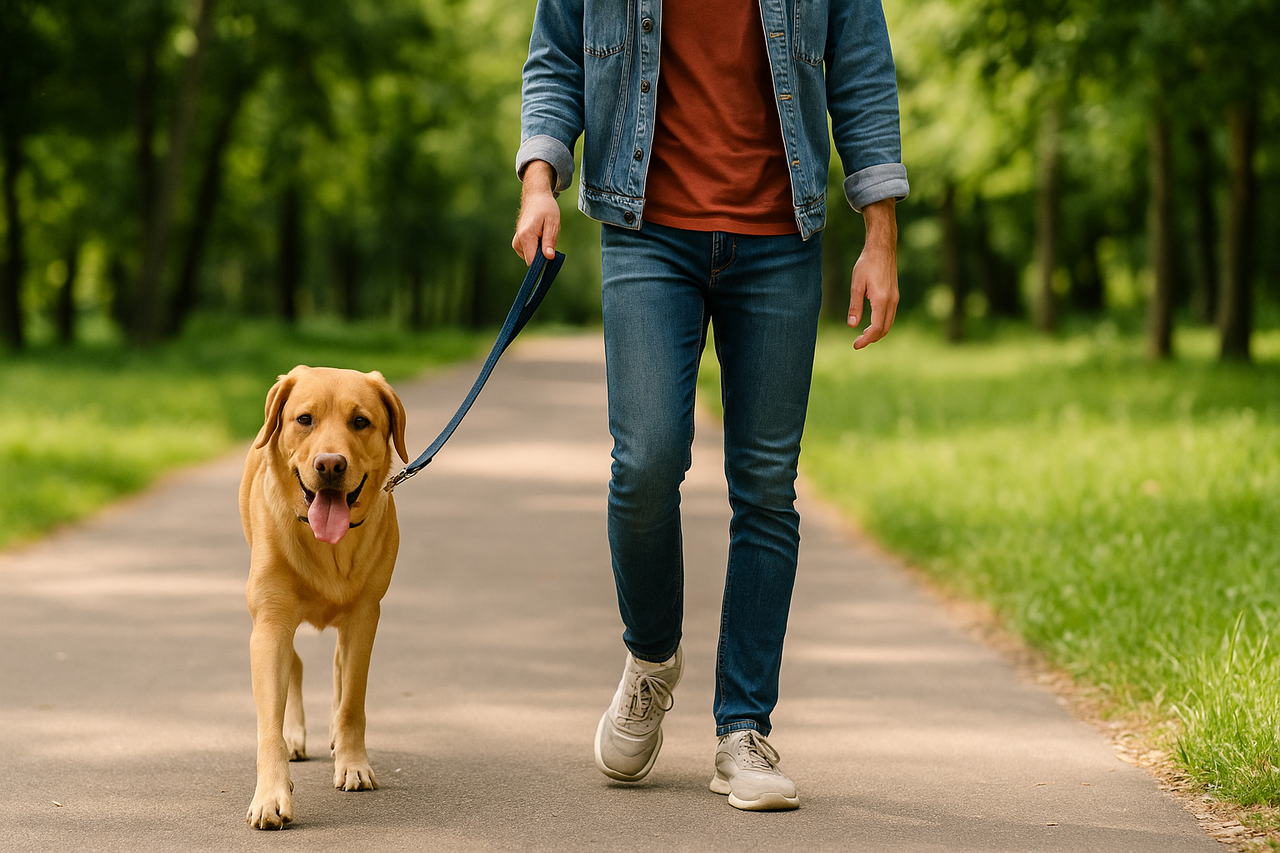
Walking your dog isn’t a one-hour-every-day law. The right amount depends on your dog’s breed, age, health, temperament, and the weather. Below is a tight, trustworthy guide based on mainstream veterinary advice and behavior best practices—so you can hit that sweet spot where your dog is calm, fit, and happy (and your shoes survive).
Why Walks Matter (Beyond “Potty Time”)
Body: Regular walks help burn calories, maintain muscle, and support joint health. Under-exercised dogs are at higher risk of weight gain, which in turn increases risks for arthritis, diabetes, and heart strain.
Behavior: Pent-up dogs make their own entertainment—barking, chewing, digging, zoomies at 23:59. A consistent walk routine channels that energy.
Brain: Sniffing is enrichment. New scents and sights are your dog’s “newsfeed,” lowering stress and sharpening focus.
Dog Walking Calculator
Calculate the ideal walking duration and frequency based on your dog's breed, age, and health.
Bond: Shared activity strengthens your relationship. Side-by-side time builds trust and calm.
Key idea: A yard is great, but it’s not a substitute for a real walk. Walks add novelty + structure + enrichment that backyards can’t match.
Quick Ranges (Use as a Starting Point, Not a Rule)
- Most adults: ~30–120 minutes total daily, adjusted for breed/age/health.
- Split it up: Two sessions (AM/PM) + some play is ideal.
- High-drive breeds (Collies, Huskies, Malinois, etc.): Often at the upper end (and still benefit from jobs/sports beyond walking).
- Toy/low-energy dogs: Often fine at ~20–30 minutes of walking plus indoor play.
- Seniors: Prefer several short, gentle strolls (e.g., 10–20 min each).
Watch your dog, not the clock. The right dose leaves them relaxed—tired but not wiped.
By Breed Size (Typical Daily Targets)
These are typical ranges, not mandates. Individual energy and health vary.
Small Breeds (Chihuahuas, Dachshunds, Pugs, Shih Tzus)
- Target: ~20–40 min/day, split into two short walks.
- Notes: Big hearts, small legs. Many are content with short, sniff-heavy outings.
- Caution: Flat-faced (brachycephalic) breeds (Pug, Frenchie, Shih Tzu) tire and overheat easily—keep sessions short and cool, especially in heat.
Medium Breeds (Beagles, Spaniels, Border Collies)
- Target: ~45–90 min/day (mix steady walks + purposeful play).
- Notes: Hounds need scent time; Spaniels love fetch; Collies are working athletes who thrive with jobs (training, agility, herding-style games).
Large Breeds (Labs, German Shepherds, Goldens)
- Target: ~60–120 min/day, ideally in two sessions.
- Notes: Build up gradually; watch joints, especially in youngsters. Many love structured exercise (obedience, scent games, swimming).
By Age (Adjust as They Grow)
Puppies & Adolescents
- Rule of thumb: ~5 minutes per month of age per session (e.g., 4-month-old ≈ 15–20 min), up to twice daily.
- Why shorter? Growth plates are open; avoid high-impact and forced distance.
- Focus: Socialization, sniffing, short positive sessions, leash manners.
Adult Dogs
- Target: ~30–120 min/day, customized to breed/energy.
- Mix it: Steady walks + bursts (fetch, recall sprints) + sniff breaks.
- Routine wins: AM + PM walks typically hit the sweet spot.
Senior Dogs
- Target: ~15–45 min/day, split into gentle strolls.
- Focus: Joint-friendly movement, healthy weight, sniff-rich walks at their pace.
- Let them lead: Short, frequent outings beat long, rare slogs.
Weather Adjustments (Safety First)
Heat (Paws & Panting)
- 5-second test: If you can’t hold the back of your hand on pavement for 5 seconds, it’s too hot for paws.
- When to walk: Early morning/late evening.
- Bring water + shade breaks.
- Watch for heat stress: Heavy panting + drool, bright red gums, weakness/collapse.
- Brachycephalics: Super short, cool sessions only in heat.
Cold (Coats & Paws)
- Who needs a coat? Small, thin-fur, puppies, and many seniors in chilly temps.
- Paw care: Salt/ice irritate pads—use booties or wipe paws after walks.
- Limit extremes: Sub-freezing + wind? Shorten duration, do multiple brief outings.
Special Cases (Tailor the Plan)
Overweight Dogs Start short and slow, increase gradually. Low-impact options (e.g., swimming) are gold. Pair exercise with a calorie plan from your vet.
Arthritis/Mobility Issues Prefer short, frequent, low-impact movement to keep joints lubricated. Avoid long, sporadic “weekend warrior” outings. Consider hydrotherapy if available.
High-Energy / Working Breeds Walking alone often won’t cut it. Layer in fetch, frisbee, tug, off-leash running where safe, and sports (agility, scent work, flyball, herding-style games). “A job” calms the mind.
Flat-Faced (Brachycephalic) Breeds Keep sessions moderate, avoid heat, watch breathing. Multiple short walks + indoor play is usually best.
Make Walks Engaging (So They Actually Work)
- Vary routes for novelty and richer sniffing.
- Schedule sniff time (don’t march the whole way).
- Mini training breaks: sit/stay/heel/recall for treats.
- Add play: a few minutes of fetch or tug midway.
- Socialize wisely: calm introductions, dog-friend meetups, or quiet group walks.
- Track it: use a simple log—or try a tool to estimate targets for your dog’s profile.
Try: Dog Walking Calculator – get a quick, tailored starting range and tune it to your dog’s signals.
Signs You’re Hitting (or Missing) the Mark
Too little exercise
- Restlessness, demand-barking
- Destructive chewing/digging
- Weight gain, poor sleep
Too much exercise
- Limping or stiffness later the same day/next morning
- Excessive panting that doesn’t settle with rest/water
- Lagging behind, refusing to move, collapse
Just right
- Calm at home, settles after walks
- Healthy appetite and sleep
- Interested but not frantic for the next outing
Frequently Asked Questions
Can a dog get too much exercise?
Yes—especially puppies, seniors, and brachycephalics. Watch for limping, prolonged heavy panting, lagging/refusal, or unusual exhaustion. Scale back and build gradually.
Are backyard zoomies a substitute for walks?
Not really. Backyards are familiar; they lack the novelty and enrichment of real-world walks. Use yards to supplement, not replace, walks.
Do working breeds need more than walks?
Absolutely. They thrive with jobs/sports/training (agility, scent work, herding-style games) in addition to daily walks.
What if my dog refuses to walk?
Absolutely. Border Collies, Malinois, and Huskies thrive on jobs—training, puzzles, or sports—beyond just walking.
A Simple, Honest Conclusion
There’s no single magic number. Most dogs land between ~30 and 120 minutes of daily activity, depending on breed, age, health, and personality. Use ranges as targets, not rules—then watch your dog:
- If they’re restless and mischievous, increase enrichment + activity.
- If they’re sore or gassed, dial it back and build up slowly.
- In heat or cold, shrink the walk, raise the caution.
- High-drive dogs need jobs, not just footsteps.
If you want a quick, sensible starting point, plug your dog’s details into a Dog Walking Calculator, then tune the plan to the signals your dog gives you. Aim for a dog that comes home content, relaxed, and ready to nap—that’s your bullseye.
Friendly disclaimer: These are evidence-aligned ranges for healthy dogs. If your pup has medical conditions (heart, respiratory, orthopedic, etc.), ask your vet for a personalized exercise plan.
Try these tools
Dog Walking Calculator
Calculate the ideal walking duration and frequency based on your dog's breed, age, and health.
Try Now ->Pet BMI Calculator
Calculate your pet's Body Mass Index to ensure they maintain a healthy weight.
Try Now ->Daily Calorie Calculator
Estimate the ideal daily calorie intake for your dog or cat.
Try Now ->