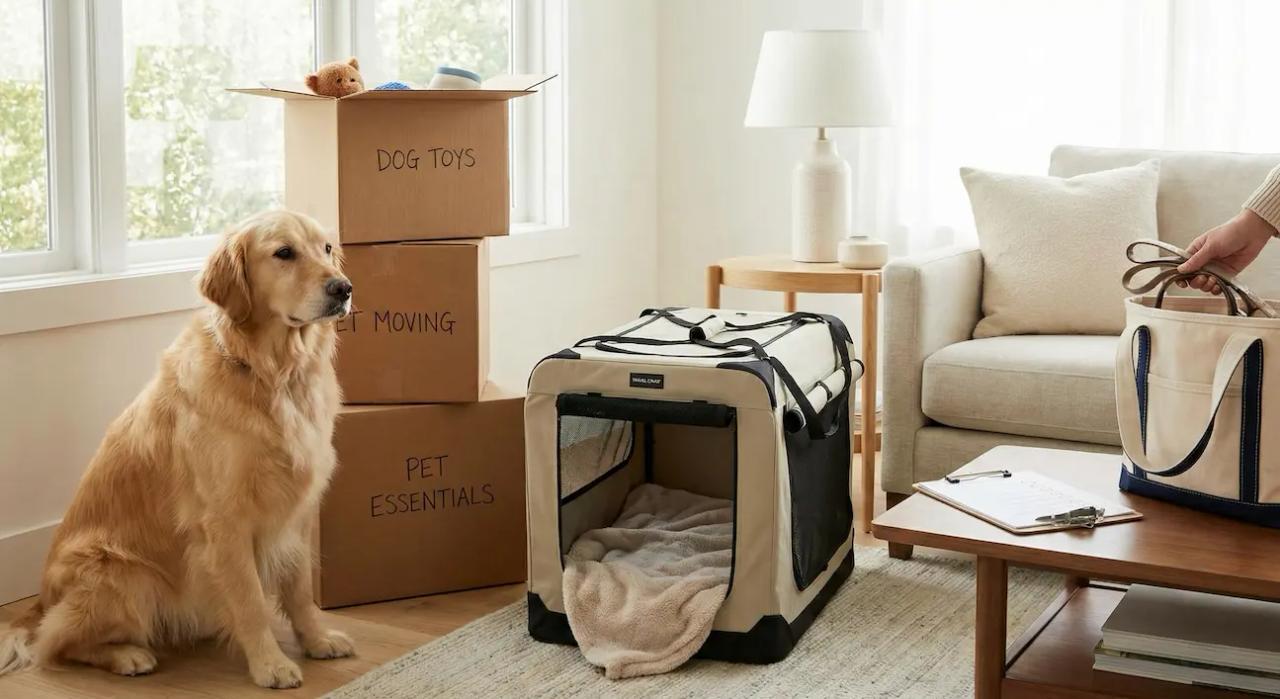
How to Prepare Your Pet for a New Home or Move
Moving is exciting for you—and confusing for them. The secret to a smooth transition is predictability over perfection: pack slowly, keep routines steady, and give your pet a quiet place to land. This guide covers practical, global tips for dogs, cats, birds, reptiles, small mammals, and fish, from the first packing box to the first nap in the new place.
Motto: Calm is a plan, not a mood.
The Ground Rules
- Routine first. Keep feeding, walks, lights‑out, and litter scoops on schedule.
- Stage a safe room. Both homes get a decompression zone.
- Contain > chase. Prevent escapes with leashes, carriers, and closed doors.
- Familiar scents travel. Beds and blankets unwashed until you’re settled.
- Vet early, paperwork ready. Health checks, microchip updates, and records in your bag.
2–8 Weeks Before the Move (Pre‑Game)
Health & ID
- Book a wellness exam; refill meds; discuss anxiety/carsickness plans.
Be very careful with over-the-counter sedatives (like Acepromazine) for air travel. Many airlines will refuse a pet that looks drugged because it affects their ability to regulate body temperature and breathing at altitude. Always trust the vet here, but lean toward anxiety reduction (Gabapentin/Trazodone) rather than heavy sedation, unless medically necessary.
- Microchip and register with current contact info; order a new ID tag with the phone number you’ll use during the move.
- Ask your vet for complete records (vaccines, microchip number, prescriptions) and the nearest 24/7 ER vet at your destination.
Crate/Carrier Confidence
- Make the carrier a happy place: feed meals inside, door open → then short closed‑door sessions → then short drives.
- Dogs: practice settle/crate with a chew; Cats: top‑loader + pheromones 15 min before rides.
Packing Without Panic
- Introduce boxes gradually; keep one room normal as a retreat.
- Don’t wash beds/blankets yet; those scents are future courage.
Local Logistics
- Research a new primary vet, license rules, and pet policies (landlord/HOA).
- You must also contact the microchip registry company specifically. Changing the tag on the collar isn't enough; if the collar falls off during an escape, the chip needs to point to your cell phone, not the old landline or old address.
Species Notes
- Birds: No PTFE/PFOA fumes; plan a quiet room away from kitchen traffic.
- Reptiles: Inventory heating/UVB; test thermostats; have heat packs/cool packs for transit.
- Small mammals: Stock paper bedding and hay; confirm cage bar spacing for temp setups.
- Fish: Decide: move tank (save filter media in tank water, transport fish in dark, insulated bags/cooler) or re‑home temporarily and re‑cycle a new tank. Gather dechlorinator, test kit, battery air pump.
7‑Day Countdown (Micro‑Plan)
- T‑7: Confirm movers/route/hotel pet policies; pack a labeled pet essentials bag (food, bowls, water, meds, litter, bags, wipes, toys, bed, copies of records).
- T‑5: Stage the safe room at the old home (bed, water, litter/pee spot). Put a sign on the door: Do Not Open—Pet Inside.
- T‑3: Increase crate time dress rehearsals; short car rides; practice leash‑on before car doors open.
- T‑2: Portion meals; freeze a bowl of water for slow melt in a crate (optional for long drives).
- T‑1: Wash food bowls; leave bedding unwashed; pack everything except the safe‑room kit.
Moving Day (Calm, Contained, Clear)
Set the Stage
- Park your pet in the safe room before movers arrive; shut and sign the door.
- Keep routine slots (morning walk/play/meal) even if shortened.
Transport
- Car: Back‑seat only; secured crate or crash‑tested harness; windows cracked, heads not out.
- Plane: Carrier IATA‑compliant; absorbent pad; label with name/phone; arrive early; use airport pet relief areas.
- Never put pets in the moving truck; always ride with you in climate control.
Prevent Escapes
- Clip the leash/harness before door opens. Carry cats/smalls in carriers between buildings.
Essentials Bag Checklist
- Food (current) and water • Bowls • Meds • Litter + tray/scoop • Waste bags • Enzyme cleaner • Towels/puppy pads • Bed/blanket • Toys • Records • ER vet numbers.
Arrival: First Hour, First Day, First Week
Hour 0–1: Land Softly
- Go straight to your pre‑planned home‑base room. Open the carrier and let them exit at their pace.
- Offer water; feed a small meal after curiosity returns.
Day 1–2: Familiar Wins
- Keep routine times; short exploration with the rest of the house closed.
- Dogs: leashed yard sniff + frequent potty; Cats: quiet litter area and vertical perches.
- No visitors yet. Quiet is kindness.
Day 3–7: Expand Carefully
- Open one new room at a time, supervised.
- Start micro‑training (2–5 min): name, settle, touch/target; end while it’s going well.
Species Playbooks
- Dogs: Walk the new neighborhood on a familiar route daily; remove high‑value chews during early free time; create settle spots (beds) in busy rooms.
- Cats: Room rotation; add scratchers; follow the litter rule: one per cat +1, in separate locations.
- Birds: Place cage away from drafts/traffic; three‑sides‑covered helps; gradual out‑of‑cage time only once returns are calm.
- Reptiles: Verify heat gradients and UVB with thermometers, not guesswork; avoid handling after meals or during shed.
- Small mammals: Quiet corner; constant hay for rabbits/GPs; short handling over soft surfaces; add hides/tunnels.
- Fish: If moving to a new city, the pH and hardness of the tap water might be drastically different. Drip-acclimate the fish to the new tank water just like you would when bringing them home from the store. A sudden pH swing is just as deadly as a temperature shock.
Kids & Other Pets
- Script for kids: inside voices, slow hands, no chasing/hugging; safe zones (crate/bed/perch) are kid‑free.
- Resident‑pet intros: scent swaps → feed across a door → gated visuals → brief supervised sessions. Predator–prey pairs stay separate rooms.
Pet‑Proof the New Place (Quick Sweep)
- Cords covered; meds/cleaners locked; trash sealed; windows screened; balconies secure.
- Yard/fence check for gaps; toxic plants identified/removed; prior pest baits/traps disposed.
Red Flags (Call Your Vet/Behavior Pro)
- No eating > 24–48 h, repeated vomiting/diarrhea, blood in urine/stool.
- Coughing, labored breathing, extreme lethargy, pain, or no urination/defecation in 24 h (adults).
- Persistent hiding/pacing, escalating growls/hisses, bites/scratches that break skin.
International Moves (Snapshot)
- Timeline: Start months ahead. Rules vary by country.
- Basics: ISO microchip, current rabies, health certificate (often within 10 days), sometimes import permit and/or quarantine.
- Airline & port rules: Some routes/airports only; embargoes during extreme temps; reserve pet slots early.
- Check our Pet Travel Safety Checklist for flight prep.
Frequently Asked Questions
Should I change food or litter right after moving?
No—stick to the current brand for 1–2 weeks, then transition slowly if needed.
My cat is hiding. How long is normal?
24–72 hours is common. Offer food/water/litter close by, keep things quiet, and expand space later.
Can I let my dog off‑leash in the new yard day one?
Wait until you’ve done a fence check and a few leashed tours. New smells can trigger bolt behavior.
When can my bird/reptile have out‑of‑enclosure time?
After temps/UVB are verified and they’re eating/acting normally. Start short and supervised.
How do I move an aquarium safely?
Save filter media wet in tank water; transport fish in insulated, dark bags/cooler; set up and temperature‑match on arrival; feed lightly for a few days.
What if my pet regresses on housetraining?
Reset the routine: frequent potty breaks, reward success, enzyme‑clean accidents; supervise and confine when you can’t.
Try these tools
Pet Name Generator
Generate the perfect name for your new pet based on species, breed, and personality.
Try Now ->Instant Pet Age Finder
Find your pet's exact age instantly in days, weeks, months, and years. Perfect for tracking vaccination schedules and growth milestones.
Try Now ->Toxic Foods Checker
Quickly check which foods are harmful to your pet and read important safety tips.
Try Now ->