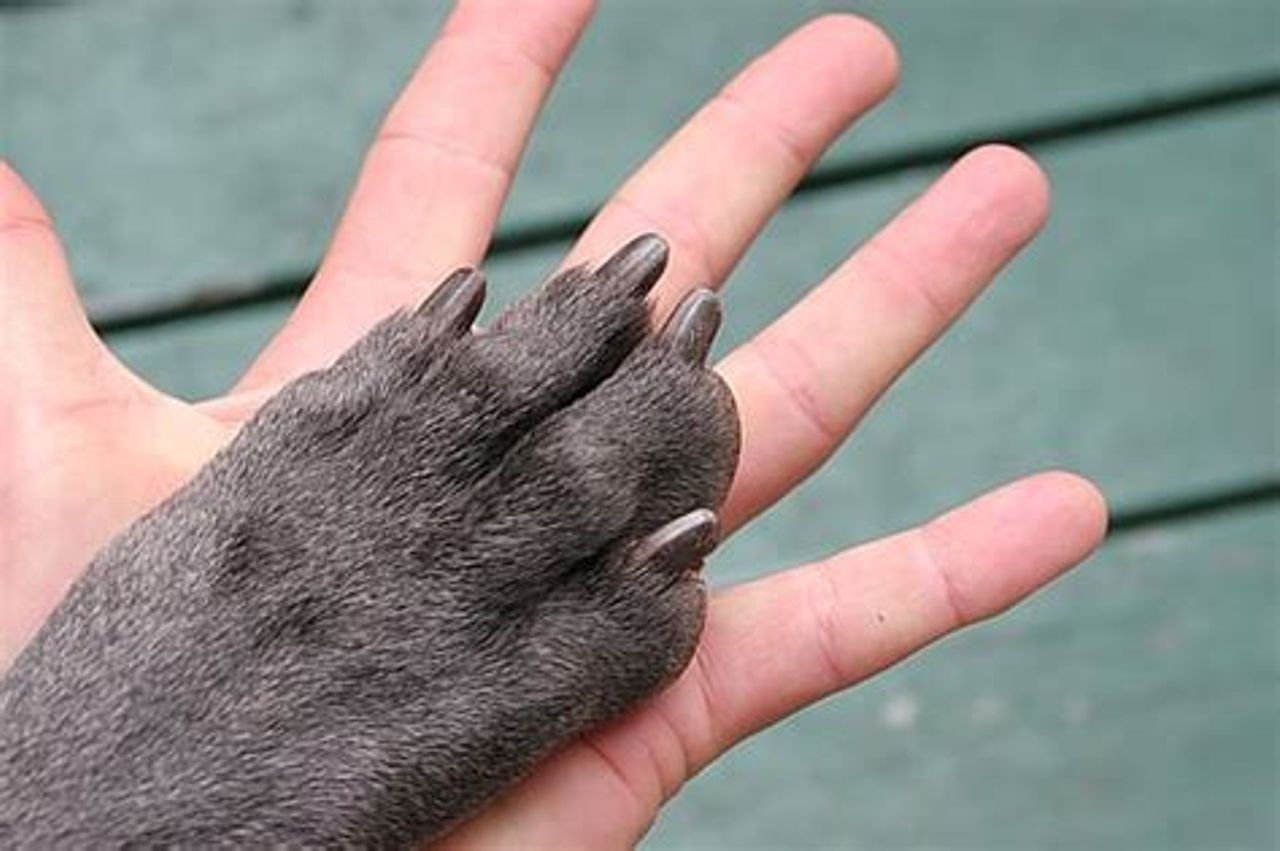
Click, click, click… if you hear your pet’s nails tapping on the floor, it’s probably time for a trim. Overgrown nails can cause discomfort, affect walking, and even curl into paw pads. Luckily, with the right tools, patience, and a little know-how, you can safely trim your dog or cat’s nails at home.
This guide covers the essential supplies, how to avoid painful mistakes, first-aid if you cut too far, and how often to keep up with nail care.
Why Nail Trimming Matters
Untrimmed nails can:
- Cause pain or change how pets walk.
- Curl into paw pads, leading to infections.
- Snag on carpets or furniture.
- Stress joints, especially in older pets.
Regular trims keep your pet comfortable, protect your floors, and reduce accidental scratches.
Tools You’ll Need
- Pet nail clippers or grinder: Use scissor- or plier-style clippers for dogs; scissor or guillotine for cats. Grinders help with dark nails.
- Styptic powder/cornstarch: Stops bleeding fast if you nick the quick.
- Nail file: Smooths sharp edges.
- Treats/lick mat: Keeps pets distracted and rewards calm behavior.
- Towel (cats): A gentle “kitty burrito” wrap helps with wiggly cats.
Step-by-Step Trimming Tips
- Get your pet used to paw handling. Gently touch their paws daily before trimming sessions.
- Choose a calm time and good lighting. After play or mealtime is ideal.
- Spot the quick. In light nails, it’s the pink part—don’t cut past it. In dark nails, trim tiny bits at a time until you see a dark dot at the center.
- Trim at a 45° angle. Snip only the tip—1–2 mm at a time. For cats, extend the claw gently and cut perpendicular to the nail.
- Don’t forget dewclaws. These don’t wear down naturally.
- File sharp edges. Smooth tips with an emery board.
- Reward and praise. End sessions positively, even if you only do a few nails.
👉 Pro tip: It’s better to trim small amounts weekly than wait until nails are very long.
What If You Cut the Quick?
Accidents happen—don’t panic.
- Press a tissue or gauze on the nail.
- Apply styptic powder or cornstarch to stop bleeding.
- Comfort your pet and keep them calm.
- If bleeding doesn’t stop in a few minutes, call your vet.
How Often to Trim
- Dogs: Every 2–4 weeks on average. Active dogs on pavement may need less frequent trims; soft-surface walkers may need weekly.
- Cats: Every 10–14 days for most indoor cats.
- Check weekly: If you hear clicking or see nails curling, it’s time.
Frequently Asked Questions
Can I use human nail clippers on pets?
For kittens or very small dogs, yes—but it’s better to use pet-specific clippers to avoid splitting nails.
How do I trim black nails safely?
Go slow, cutting tiny bits at a time. Stop when you see a dark dot in the center of the nail.
What if my pet won’t cooperate?
Don’t force it. Do a few nails at a time, use treats, and ask your vet or groomer for a demo if needed.
Trimming your pet’s nails doesn’t have to be stressful. With the right tools, patience, and positive reinforcement, you can keep nails short, healthy, and comfortable. Start slow, reward often, and remember: little trims more often are safer than waiting too long.
✨ Healthy nails = happy paws!
Try these tools
Pet Hydration Calculator
Calculate your pet's daily water needs based on species, weight, activity level and environment.
Try Now ->Instant Pet Age Finder
Find your pet's exact age instantly in days, weeks, months, and years. Perfect for tracking vaccination schedules and growth milestones.
Try Now ->Pet Sleep Calculator
Calculate average sleep needs based on your pet's breed, age, and activity level.
Try Now ->