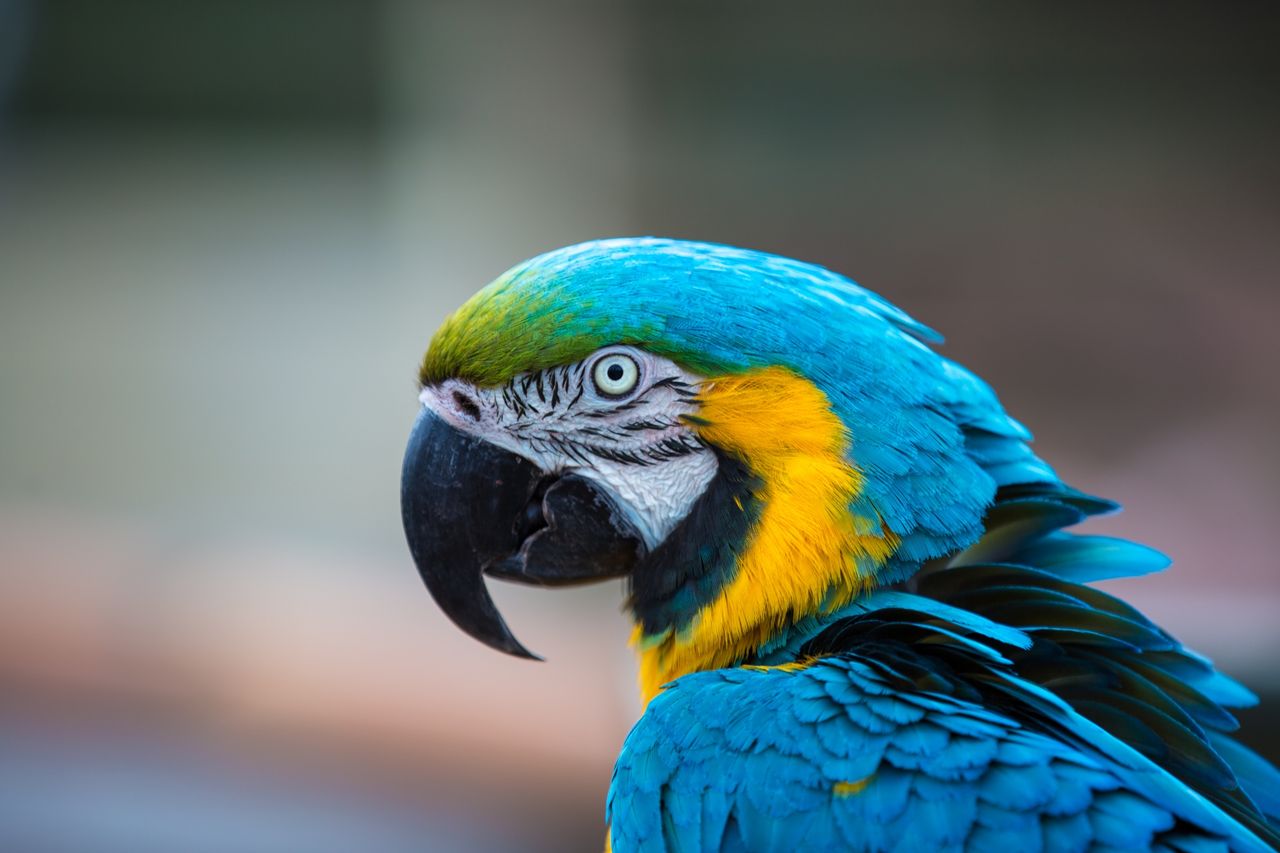
Imagine this: your parrot has a spacious cage, tasty food, and shiny toys—but still plucks feathers, screams for attention, or just looks plain bored. Sound familiar? You’re not alone. Many parrot owners underestimate just how much mental and physical stimulation these feathered companions need.
In the wild, parrots spend hours foraging, flying, and socializing. At home, without the same outlets, they can become stressed or even develop health problems. Enrichment—the art of creating activities that mimic natural behaviors—changes everything. It keeps your bird engaged, reduces destructive habits, and strengthens your bond. Best of all, it doesn’t have to cost a fortune. With some creativity, you can transform everyday objects into hours of fun for your parrot.
Let’s explore how to keep your parrot thriving beyond the cage.
Why Enrichment Matters for Parrots
Parrots are not “decorative pets.” They’re highly intelligent, flock-minded animals. Studies show that parrots in captivity often develop problem behaviors—like feather plucking or repetitive pacing—when their environment lacks stimulation.
Enrichment addresses these needs by engaging body, mind, and senses. It:
- Promotes exercise and healthy weight.
- Reduces stress and anxiety.
- Builds confidence and problem-solving skills.
- Deepens your relationship with your parrot.
Think of enrichment as an investment in your bird’s health and happiness. Just as we need hobbies, workouts, and friendships, parrots need activities beyond food bowls and perches.
Enrichment Ideas Every Parrot Will Love
1. Foraging: Turning Mealtime into a Game
Parrots in the wild spend up to 70% of their day searching for food. At home, a full food bowl kills that instinct. The fix? Foraging!
- DIY food puzzles: Hide nuts in paper cups, toilet rolls, or cardboard boxes.
- Commercial toys: Foraging wheels, treat-dispensing balls, or hanging piñata toys.
- Scatter feeding: Sprinkle seeds or chopped veggies around a play stand for a mini treasure hunt.
👉 Pro tip: Rotate hiding spots often. What’s exciting one day can be boring the next.
Why it works: Foraging keeps beaks busy, minds sharp, and reduces stress behaviors like screaming.
2. Exercise: Encouraging Flight and Play
Parrots are built to fly and climb. A sedentary bird is an unhealthy bird.
- Flight time: In a safe room, let your parrot fly laps. If you’re outdoors, use a bird-safe harness for short sessions.
- Play gyms & stands: Ladders, ropes, and swings encourage climbing and flapping.
- Games with you: Teach your bird to “recall” (fly to your hand on cue) or play gentle fetch with lightweight objects.
Why it works: Regular activity builds strong muscles, prevents obesity, and mimics the daily exercise parrots naturally get in the wild.
3. Brain Games: Puzzles and Training
Parrots are problem-solvers. They’ll crack a nut, figure out a latch, or even learn a dance routine if you make it fun.
- Puzzle feeders: Toys that require sliding, twisting, or pulling to unlock a treat.
- Homemade challenges: A box stuffed with paper shreds and hidden almonds.
- Clicker training: Teach tricks like waving, ringing a bell, or stepping onto a scale.
👉 Keep sessions short—5 to 10 minutes—and always end on a win.
Why it works: Mental stimulation prevents boredom and builds trust between you and your bird.
4. Sensory Adventures: Engaging Sight, Sound, and Touch
Parrots thrive on variety. Add sensory surprises to their daily routine:
- Visual: Rearrange perches or add safe branches. Place the cage by a window with a view.
- Auditory: Play bird calls, nature sounds, or even your favorite playlist (many parrots love music!).
- Tactile: Offer different textures—wood, rope, paper, leather—for chewing and shredding.
- Taste: Rotate fresh fruits, veggies, and herbs like basil or oregano.
Why it works: New sights, sounds, and textures keep curiosity alive and mirror the complexity of a wild environment.
5. Social Interaction: Flock Time with You
You are your parrot’s flock. Time with you is the most valuable enrichment of all.
- Talk, whistle, or sing together.
- Let them perch on your shoulder during household chores.
- Play peek-a-boo or hide-and-seek with a toy.
- If you have multiple birds, supervised play can be deeply rewarding.
Why it works: Social bonding reduces loneliness, strengthens trust, and prevents attention-seeking behaviors like constant screaming.
Practical Tips for Success
- Rotate often: Swap toys weekly to keep novelty alive.
- Observe preferences: Some parrots love shredding, others prefer puzzles. Follow their lead.
- Keep it safe: Avoid toxic woods, unsafe metals, and small choking hazards.
- Start simple: Overly complex puzzles can frustrate beginners. Build up gradually.
- Balance treats: Enrichment snacks should be part of the daily diet, not extra calories.
Common Mistakes and Myths
- “A big cage is enough.” Even the largest cage can’t replace flight, play, and exploration.
- “More toys = better.” Overcrowding overwhelms parrots. A few quality items rotated often work best.
- “Mirrors make great companions.” Some birds obsess over mirrors, mistaking their reflection for another parrot. Use cautiously.
- “They’ll entertain themselves.” Parrots are flock animals; without interaction, they can become depressed.
Frequently Asked Questions
How much enrichment does my parrot really need?
Aim for at least a few hours of out-of-cage activity daily, with varied enrichment (foraging, play, training, social time).
Can I make DIY toys safely?
Yes! Use non-toxic paper, untreated wood, and bird-safe rope. Avoid glues, staples, or small parts that can be swallowed.
Is training really enrichment, or just obedience?
Training is enrichment! It challenges your parrot mentally, builds confidence, and strengthens your bond.
Can parrots watch TV or listen to music?
Absolutely. Many enjoy background sounds or watching colorful visuals, but balance it with real interaction.
My parrot screams when bored. Will enrichment help?
Yes. Providing outlets for energy and attention-seeking often reduces screaming over time. Pair with consistent social interaction.
Do all parrots like the same activities?
No. Species and personalities vary. Experiment to see what excites your bird most.
Conclusion
A bored parrot is an unhappy parrot. By weaving enrichment into daily life—whether it’s hiding treats in paper rolls, training fun tricks, or just spending time together—you’re giving your bird a healthier, fuller life.
The best part? Enrichment doesn’t require expensive gadgets. With a little creativity, your parrot’s world can be as vibrant as the rainforest it was born to thrive in.
So start today—your feathered friend will thank you with brighter eyes, playful chatter, and a stronger bond than ever.
Try these tools
Toxic Foods Checker
Quickly check which foods are harmful to your pet and read important safety tips.
Try Now ->Pet Cost Calculator
Estimate the lifetime cost of owning different types of pets.
Try Now ->Instant Pet Age Finder
Find your pet's exact age instantly in days, weeks, months, and years. Perfect for tracking vaccination schedules and growth milestones.
Try Now ->