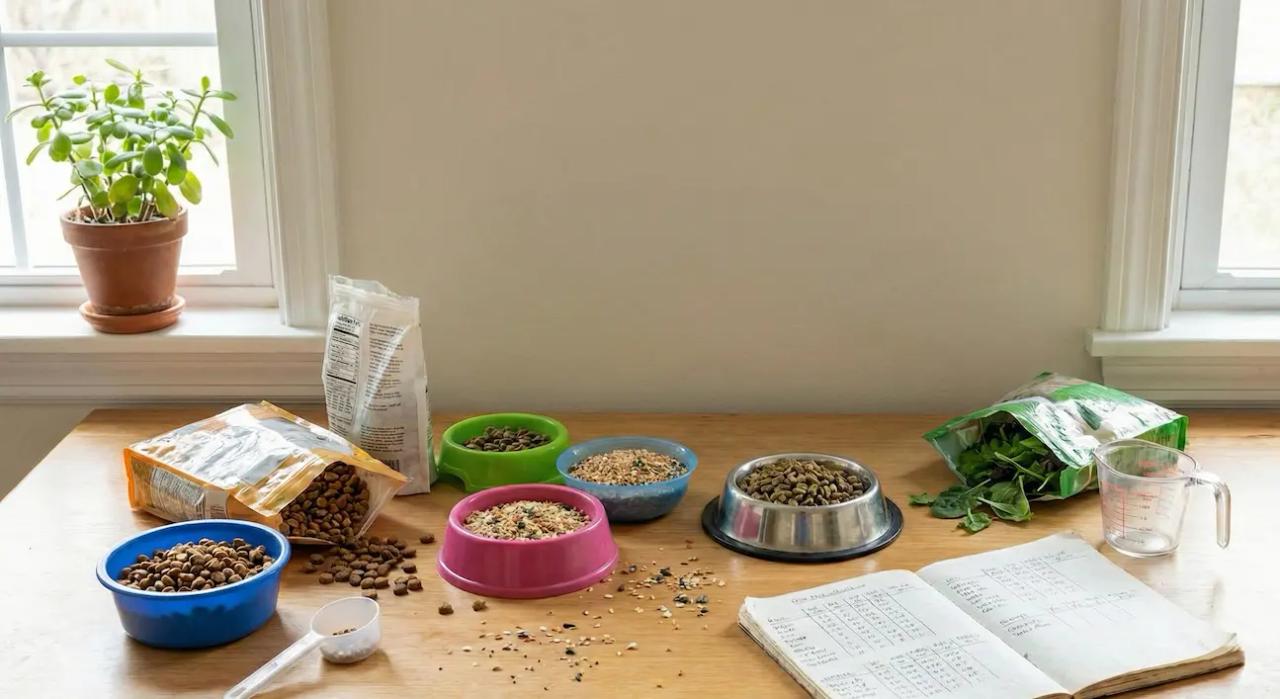
Feeding your pet isn't just about what you give them—it's about when and how often you do it. Every animal species has its own rhythms, habits, and biological needs when it comes to food. Dogs and cats thrive on routine mealtimes, while birds, reptiles, fish, and small mammals each have their own feeding frequencies and timing.
In this comprehensive guide, we’ll cover the general feeding schedules for the most common companion animals: dogs, cats, birds, fish, reptiles, and small mammals (rabbits, guinea pigs, ferrets, and rodents). You’ll learn how often to feed them, portion considerations, and common mistakes to avoid—based on trusted veterinary and animal care sources such as the AVMA, VCA Animal Hospitals, and PetMD.
🐶 Dogs: Twice a Day Keeps the Tail Wagging
Adult dogs do best on two meals per day—one in the morning and one in the evening. This schedule supports digestion, energy balance, and behavior. Puppies, large breeds, or highly active dogs may benefit from 3–4 smaller meals spread throughout the day.
Feeding Frequency and Portions
- Standard schedule: 8 AM and 6 PM.
- Calories: Around 250 kcal/day for small dogs (10 lb / 4.5 kg) and 1000–1250 kcal/day for medium to large dogs (50 lb / 23 kg).
- Always follow the feeding chart on your dog’s food bag as a starting point and adjust based on your dog’s body condition and activity level.
Feeding Tips
- Use a measuring cup or kitchen scale to ensure accuracy.
- Keep treats under 10% of daily calorie intake.
- Feed in the same location and at the same time each day to establish routine.
Common Mistakes
- Free-feeding (leaving food out all day) often leads to overeating.
- Irregular schedules can upset digestion and behavior.
- Overuse of table scraps contributes to obesity and nutrient imbalance.
🐱 Cats: Small, Frequent Meals for Natural Hunters
Cats are natural grazers. While free-feeding seems convenient, it often leads to obesity. The healthiest option is 2–3 small meals per day, mimicking their instinct to hunt multiple small prey.
Daily Calorie Calculator
Estimate the ideal daily calorie intake for your dog or cat.
Feeding Frequency and Portions
- Standard schedule: Morning (7 AM) and evening (7 PM) feedings.
- Calories: Roughly 25–35 kcal per pound of body weight. For example, a 10‑lb cat typically needs ~250 kcal/day.
- Use a measuring cup or scale to portion food based on caloric density.
Feeding Tips
- Provide fresh water at all times.
- For cats that prefer nibbling, use a timed feeder to release small amounts throughout the day.
- Consistency matters—feed at the same times daily.
Common Mistakes
- Free-feeding dry food can lead to obesity.
- Too many treats (especially high-calorie ones) unbalance nutrition.
- Feeding only one large meal can cause stomach upset or hunger-related stress.
🦜 Birds: Morning and Evening Feeding for Foraging Balance
Pet birds, such as parrots, parakeets, and cockatiels, thrive on two daily meals—typically one in the morning and one before sunset. Birds are natural foragers, and regular feeding times align with their biological rhythm.
Feeding Frequency and Portions
- Standard schedule: Early morning and late afternoon.
- Composition:
- 60–70% formulated pellets.
- 20–30% fresh fruits and vegetables.
- ≤10% seeds or nuts as treats.
Feeding Tips
- Always remove uneaten fresh food after a few hours to prevent spoilage.
- Offer a variety of vegetables (broccoli, carrots, kale, bell peppers).
- Fresh, clean water should be available 24/7.
Common Mistakes
- Seed-only diets lead to malnutrition and obesity.
- Leaving fresh produce out too long promotes bacterial growth.
- Offering toxic foods like avocado, chocolate, or caffeine can be fatal.
🐠 Fish: Small Meals, Once or Twice a Day
Fish have tiny stomachs and fast metabolisms, so overfeeding is one of the most common problems. Most aquarium fish do best with 1–2 small feedings per day, offering only as much as they can eat in 2–5 minutes.
Feeding Frequency and Portions
- Standard schedule: 8 AM and 8 PM.
- Portion: Feed only what can be consumed within 2–5 minutes.
- Remove leftover food to avoid water pollution.
Feeding Tips
- Use species-appropriate food (flakes, pellets, frozen, or live).
- Tropical fish often need smaller, more frequent feedings than cold-water species.
- Pond fish (e.g., koi) should not be fed when water temperature drops below 55°F (13°C).
Common Mistakes
- Overfeeding causes cloudy water, ammonia spikes, and illness.
- Underfeeding is rare but can stunt growth.
- Avoid feeding improper diets—tropical vs. goldfish food are not interchangeable.
🦎 Reptiles: Species-Specific and Temperature-Dependent
Reptiles’ feeding frequency varies widely by species, size, and diet type. Their metabolism depends heavily on temperature—cold reptiles digest slowly and may skip meals entirely during cooler seasons.
General Schedules
- Snakes: Juveniles eat once or twice a week; adults every 2–4 weeks.
- Lizards: Small insect-eaters (e.g., geckos) may eat daily; large herbivores (e.g., iguanas) every 1–3 days.
- Bearded Dragons: Young dragons 1–2 times/day; adults every 1–3 days.
- Turtles/Tortoises: Young aquatic turtles eat daily; adults every 2–3 days.
Feeding Tips
- Always feed when the reptile is active and warm—never feed in a cold environment.
- Dust insects with calcium and vitamin D3 supplements.
- Offer variety: insects, leafy greens, or whole prey depending on species.
Common Mistakes
- Feeding the wrong diet (e.g., too much protein for herbivores).
- Skipping calcium supplementation, leading to metabolic bone disease.
- Feeding during brumation (hibernation) can cause gut impaction.
🐇 Small Mammals: Constant Grazers and Specialized Eaters
Small mammals like rabbits, guinea pigs, ferrets, and rodents have very different eating patterns, but the general rule is: herbivores graze constantly; carnivores eat frequently.
Rabbits and Guinea Pigs
- Hay: Unlimited access to grass hay (Timothy or orchard grass).
- Pellets: ¼–½ cup per 5–10 lb rabbit daily.
- Vegetables: Fresh leafy greens daily (kale, parsley, carrot tops).
- Water: Always fresh and available.
Guinea pigs need vitamin C daily, either through pellets or veggies (e.g., bell peppers, kale). Never feed alfalfa hay to adults—it’s too high in calcium.
Rodents (Hamsters, Rats, Mice, Gerbils)
- Pelleted diet: Constant access.
- Vegetables: 5–10% of diet daily.
- Treats: ≤10% of total diet (seeds/nuts sparingly).
Ferrets
- Diet: High-protein ferret kibble.
- Schedule: Small meals or free access 24/7.
- Portion: ~½ cup per ferret per day.
Common Mistakes
- Too many pellets and too little hay (rabbits/guinea pigs) → obesity.
- Seed mixes for rodents → poor nutrition.
- Sugary treats or fasting for ferrets → hypoglycemia.
Frequently Asked Questions
How important is feeding schedule consistency?
Very. Pets thrive on predictable routines. Consistent feeding times help regulate metabolism, digestion, and even behavior—especially for dogs and cats.
Should pets have food available all the time?
No, except for true grazers like rabbits or species that require frequent intake (ferrets). Most pets benefit from portioned, scheduled feedings.
Can I feed my dog or cat once a day?
While some adult dogs can handle a single meal, most veterinarians recommend two smaller meals to prevent hunger spikes and digestive issues.
How can I tell if I’m overfeeding my pet?
Regularly monitor your pet’s body condition score (BCS). If you can’t feel ribs easily or see a waistline, reduce portions or consult your vet.
What happens if I miss a feeding?
Missing one feeding occasionally is not dangerous, but avoid making it a habit. Maintain routine as closely as possible to prevent anxiety or overeating later.
Conclusion
A proper feeding schedule supports your pet’s digestion, behavior, and long-term health. Consistency is key—feeding your pet at predictable times helps their body regulate hunger hormones and keeps you attuned to any changes in appetite that may indicate illness.
Always remember that every pet is unique. Consult your veterinarian to tailor a plan based on species, age, weight, and activity level. A structured, balanced feeding routine not only nourishes your pet—it builds trust, routine, and overall wellbeing.
Try these tools
Daily Calorie Calculator
Estimate the ideal daily calorie intake for your dog or cat.
Try Now ->Pet BMI Calculator
Calculate your pet's Body Mass Index to ensure they maintain a healthy weight.
Try Now ->Pet Hydration Calculator
Calculate your pet's daily water needs based on species, weight, activity level and environment.
Try Now ->