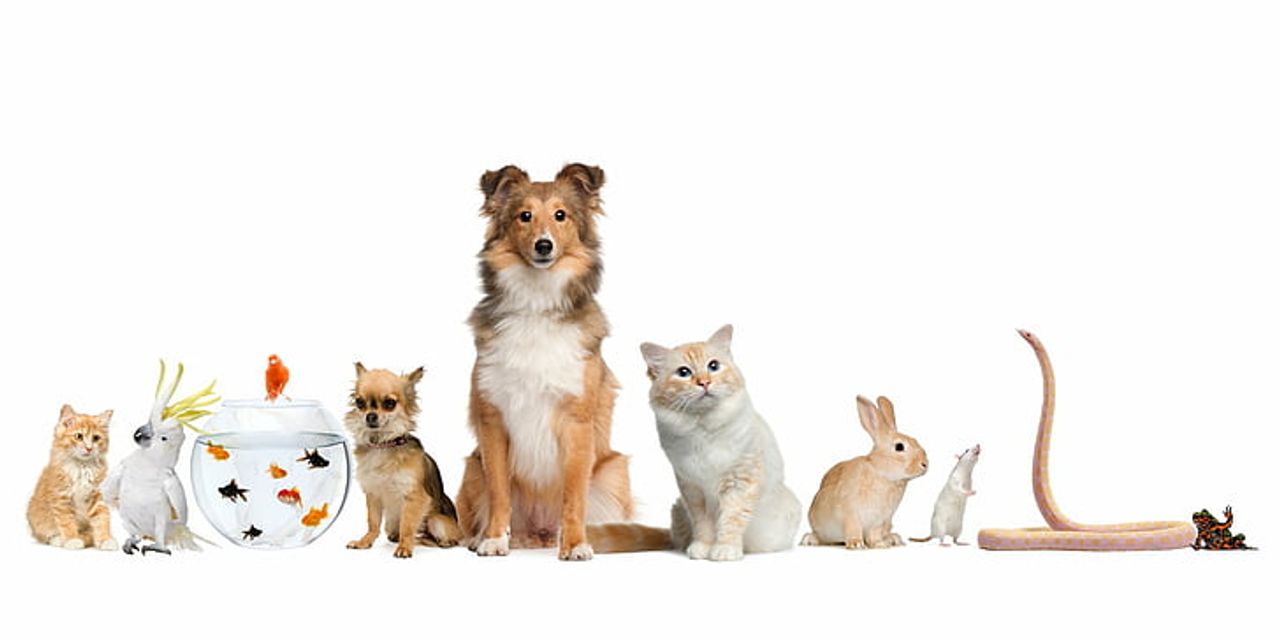
One Snack Can Be a 911
Most pet poisonings start with something ordinary: a dropped raisin, a slice of onion in leftovers, a stick of sugar-free gum, a curious nibble of a houseplant. Because pets are smaller and metabolize substances differently than we do, a “harmless taste” can spiral into seizures, organ failure, or worse—sometimes within hours. Veterinary toxicology and 24/7 poison centers consistently rank foods like chocolate, grapes/raisins, xylitol, onions/garlic, and alcohol among the most common (and preventable) emergencies.
This guide distills trusted veterinary sources and poison-control data into a practical, species-by-species playbook. You’ll see what’s toxic, why it’s dangerous, and what to do right now if your pet is exposed. We’ll also cover non-food hazards (plants, medications, cleaners), myth-busting (no, milk doesn’t “neutralize” poison), and a step-by-step emergency protocol you can follow under pressure.
Why Pet Toxins Hit So Hard (and Differently)
Different species = different biology. Cats have unique liver metabolism (some drugs and foods devastate them). Dogs release insulin to xylitol; birds and small mammals have tiny reserves and ultra-fast metabolisms; reptiles can be critically affected by a single “wrong” insect. Dose per kilogram is the anchor: a bite to a Chihuahua can equal a whole bar to a human.
Three principles keep you grounded:
Toxic Foods Checker
Quickly check which foods are harmful to your pet and read important safety tips.
- Dose makes the poison. Small bodies + concentrated sources (e.g., baking chocolate, onion powder, xylitol gum) = big trouble fast.
- Form and timing matter. Dark/baking chocolate > milk chocolate; rising dough keeps fermenting; onions/garlic in powder form hit hard; recent ingestion opens a short window to decontaminate.
- Species specificity is real. Grapes crush dog kidneys; lilies are cat-killers; avocado devastates birds and rabbits; fireflies can kill lizards. When in doubt, assume unsafe and call a vet/poison hotline.
What’s Toxic by Species (and What to Do)
Dogs: The Usual Suspects (and a few surprises)
- Chocolate, coffee, caffeine. Methylxanthines overstimulate the heart/brain. Rule of thumb: darker = deadlier.
- Quick math: symptoms around ~20 mg/kg total methylxanthines; seizures ~60 mg/kg. Baking chocolate ≈ 14 mg/g theobromine; milk ≈ 2 mg/g.
- Example: 10 kg dog + 50 g baking chocolate ≈ 700 mg theobromine → danger zone.
- Grapes/raisins. Can cause acute kidney failure; sensitivity varies wildly. Treat any amount as dangerous.
- Onions/garlic/chives. Oxidative damage → hemolytic anemia. Cooking doesn’t help. Onion risk around 15–30 g/kg; powders are potent.
- Xylitol (sugar-free). Extremely toxic. As little as 0.03 g/kg can cause hypoglycemia; ≥0.5 g/kg risks liver failure. Found in gum, candies, some peanut butters, toothpaste, meds.
- Alcohol & yeast dough. Rapid CNS depression; rising dough expands in the stomach and makes ethanol—double hazard.
- Macadamia nuts. Unique dog syndrome: hindlimb weakness, tremors, fever within hours; usually non-fatal but still a vet case.
- Avocado. Persin risk is higher for other species; dogs mainly face GI upset/pancreatitis and choking/obstruction from pits.
- Fatty scraps/bones/moldy food. Pancreatitis, obstructions, and tremorgenic mycotoxins are all on the menu if pets raid trash.
Dog first-aid snapshot Call a vet/poison hotline immediately. Only induce vomiting if instructed (3% H₂O₂, dog is alert, safe toxin, very recent). Never use salt or ipecac. Clinic care may include activated charcoal, IV fluids, dextrose (xylitol), or kidney/liver support.
Cats: Smaller bodies, sharper risks
- Alliums (onion/garlic). Cats are even more sensitive; as little as ~5 g/kg onion can harm. Garlic is stronger than onion.
- Chocolate/caffeine. Cats lack a sweet tooth but still toxic if licked or fed.
- Grapes/raisins. Not well-documented in cats—assume toxic and treat like dogs.
- Xylitol. Cats don’t show the same insulin spike as dogs, but zero benefit—keep away.
- Raw fish (thiaminase) & excess liver (vit A). Can cause B1 deficiency or hypervitaminosis A.
- Alcohol, bones, fatty scraps, salty snacks, yeast dough. All no-go.
- Lactose. Not a toxin but causes diarrhea in many adult cats.
Cat first-aid snapshot Do not give hydrogen peroxide—cats don’t respond reliably and can be injured by it. Call your vet/poison line. Vets can use injectable emetics, charcoal when appropriate, and close monitoring.
Small Mammals (rabbits, guinea pigs, hamsters, etc.)
- Avocado. Highly toxic (persin). Rabbits can develop cardiac/respiratory failure.
- Chocolate/caffeine. Tiny bodies = tiny doses dangerous.
- Alliums. Hemolytic anemia risk; avoid entirely.
- Fruit pits/seeds (cyanide). Remove all apple seeds and stone-fruit pits.
- Rhubarb (oxalates). Oral irritation → kidney damage in quantity.
- Iceberg lettuce. Poor nutrition and lactucarium → diarrhea/sedation.
- Beans, bread, cereals, starchy processed foods. Disrupt gut fermentation → gas, bloat, GI stasis (emergency in rabbits).
- Dairy/meat/eggs for herbivores. Not digestible → severe GI upset.
- Mushrooms & moldy feeds. Potential neuro/hepatotoxins.
- Houseplants. Many are unsafe; rabbits love to sample—block access.
Small-mammal first-aid Rabbits/rodents cannot vomit. Don’t DIY “flushes.” Go straight to a vet; they’ll use charcoal/laxatives when indicated, fluids, and gut-motility support.
Birds (parrots, parakeets, canaries, finches)
- Avocado. Top-tier danger. Persin → cardiac failure; death can occur within 1–2 days.
- Chocolate/caffeine. Very sensitive; even small nibbles → tremors, seizures, arrhythmias.
- Onion/garlic. Hemolysis/anemia, sometimes fatal.
- High-fat/salty/sugary “junk foods.” Liver disease, electrolyte issues, diabetes-like problems.
- Alcohol. Tiny doses can be fatal; fumes are also risky.
- Fruit pits/apple seeds. Cyanide risk—remove seeds and pits.
- Comfrey, nightshade leaves/stems, rhubarb leaves. Hepatotoxins/solanine/oxalates.
- Moldy nuts/seed. Aflatoxins devastate bird livers (moldy peanuts are notorious).
Bird first-aid No safe at-home emetic. Call an avian vet fast; they may do crop lavage, charcoal, oxygen/heat support. Keep the bird warm, quiet, contained.
Reptiles (lizards, snakes, chelonians)
- Fireflies (lightning bugs). One can be lethal (lucibufagins). Never allow.
- Avocado. GI and cardiac toxicity reported.
- Citrus. Often causes stomatitis/GI upset—avoid.
- Onion/garlic. Toxic; even indirectly (through prey).
- Toxic houseplants (e.g., Dieffenbachia). Oral burns, swelling, airway compromise.
- Wild mushrooms/mold. Potential neuro/hepatotoxins.
- Seasoned/cured meats, dairy. Inappropriate; salt/nitrites harmful.
- Secondary poisoning. Snakes can be poisoned by eating rodenticide-exposed prey.
Reptile first-aid Don’t attempt forced fluids or vomiting—aspiration risk is high. Confine, keep warm, and go to a reptile vet. Gentle mouth rinse only if safe and just occurred.
Fish (aquarium & pond)
- Human foods (bread/crackers). Indigestible; bloat/constipation; fouls water.
- Contaminated live foods & wild-caught insects. Parasites/pesticides can nuke a tank.
- Airborne household chemicals. Sprays, paint fumes, smoke, permethrins/pyrethrins can wipe out aquaria.
- Chlorine/chloramine, heavy metals. Always dechlorinate; avoid copper/zinc exposure.
- Medication mistakes. Overdoses and off-label human meds can be lethal.
- Cyanobacteria blooms. Blue-green algae produce toxins.
Fish first-aid Immediate large water change (20–50% depending on severity) with dechlorinated, temp-matched water; add fresh activated carbon; increase aeration; remove the source; consider emergency transfer.
Toxic Foods Checker
Quickly check which foods are harmful to your pet and read important safety tips.
Practical “Dose Made Simple” Examples
**These are illustrations to build intuition—**always call a vet/poison line for real exposures.
- Chocolate (dog):
- 10 kg dog + 100 g milk chocolate (~2 mg/g) ≈ 200 mg theobromine → often mild GI signs.
- 10 kg dog + 50 g baking chocolate (~14 mg/g) ≈ 700 mg → potentially severe; vet now.
- Xylitol (dog):
- 0.03 g/kg can drop blood sugar. A 10 kg dog might react to 0.3 g (~a couple pieces of strong xylitol gum). ≥0.5 g/kg risks liver failure (that’s 5 g total for a 10 kg dog). Labels vary; assume dangerous.
- Grapes/raisins (dog):
- Sensitivity varies; treat any ingestion as high-risk. Even a few grapes can be catastrophic in some dogs.
- Onion/garlic (cat/dog):
- Powders concentrate exposure. A spoonful in a small stew can translate to toxic per-kg doses for a toy dog or a cat licking gravy.
When math is fuzzy: If you can’t calculate precisely, use worst-case estimates and call for guidance. Prompt decontamination saves organs.
Advanced Considerations & High-Risk Situations
- Pancreatitis triggers (dogs/cats): Fatty feasts, bacon grease, rich sauces → severe pain, vomiting, hospitalization.
- Kidney crises: Grapes/raisins (dogs), lilies (cats). Require early IV fluids and serial bloodwork.
- Liver hits: Xylitol (dogs/ferrets), aflatoxins (birds), some meds/rodenticides.
- Secondary poisoning: Cats exposed to permethrin dog spot-ons; snakes eating poisoned rodents; fish poisoned by airborne sprays.
- “Safe” plants that aren’t: Always cross-check; many ornamentals are not pet-safe.
- Storage & guests: Handbags with meds or gum are a top source of xylitol and pills.
- Training helps: A rock-solid “leave it” can literally save a life.
Mistakes, Myths, and Special Cases
- Myth: “Milk neutralizes poison.” Reality: It rarely helps and can increase absorption of some toxins.
- Myth: “If they look fine, they are fine.” Reality: Organ damage (grapes/lilies/acetaminophen) can surface days later.
- Myth: “Hydrogen peroxide is safe for all pets.” Reality: Dogs only, and only if a pro guides you. Never for cats, rabbits, birds, reptiles, or caustic/petroleum ingestions.
- Mistake: Using human meds or random “antidotes.” Fix: Call a vet/poison center first—dosing and suitability are species-specific.
- Special: Button batteries and sharps (corn cobs, skewers, pits) are surgical emergencies—do not induce vomiting.
The Emergency Protocol
- Separate & stabilize. Remove access to the toxin; ensure breathing and safety.
- Call now. Your veterinarian or a 24/7 poison hotline (have weight, what/when/how much).
- No home “antidotes.” Don’t give milk/salt/meds unless instructed.
- Induce vomiting only if told to (dogs only, specific toxins, 3% H₂O₂, correct dose). Never for cats, rabbits, birds, reptiles, caustics, or petroleum.
- Bring evidence. Packaging, plant sample/photo, remaining food, or vomit sample.
- Get vet care. Many toxins need IV fluids, antidotes, labs, observation.
- Follow-up. Watch for delayed signs; complete all meds and rechecks.
- Prevent next time. Lock meds/chemicals, train “leave it,” manage guest bags, verify plants.
Key numbers to keep handy (country-specific):
- Your primary vet + nearest 24-hour emergency clinic
- Animal poison control line(s) available in your country/region
Frequently Asked Questions
Can a tiny piece of chocolate really hurt a big dog?
Maybe not—but baking/dark chocolate is concentrated and small dogs are vulnerable. When in doubt, calculate roughly and call a vet/poison line.
My cat licked a lily leaf. Is that truly an emergency?
Yes. True lilies can cause fatal kidney failure in cats from tiny exposures (even pollen). Immediate vet care and early fluids save lives.
How much xylitol is in one piece of gum?
It varies wildly by brand/flavor—some pieces contain hundreds of milligrams. If a dog ate any sugar-free gum, treat as an emergency.
Grapes: some dogs eat them and seem fine—why panic?
Sensitivity is unpredictable and can be severe. Any ingestion warrants decontamination and kidney-protective care.
Should I make my dog vomit at home?
Only after speaking with a vet/poison expert who confirms the toxin is suitable, timing is right, and your dog is stable. Use 3% H₂O₂ in dogs only when directed.
What about “natural” remedies like charcoal or milk thistle?
Charcoal helps for some toxins at correct doses and timing—best handled by a vet. Do not self-dose during an emergency.
Are “pet-safe” houseplants truly safe?
“Pet-safe” lists help, but mislabels happen. Keep plants out of reach, verify species, and assume unknown = unsafe until confirmed.
My fish look distressed after I sprayed air freshener near the tank. Now what?
Do a large, dechlorinated water change, add fresh activated carbon, ramp aeration, and remove the source chemical immediately.
Bird ate a tiny crumb of chocolate—wait or act?
Act. Birds are very sensitive; call an avian vet now.
Are bones okay if raw?
Raw meaty bones remain controversial. Cooked bones splinter; raw bones can still obstruct or injure and carry pathogens. Talk to your vet about safer chew options.
Conclusion: Prevention beats panic
Most poisonings are preventable with storage, training, and vigilance. Know the heavy hitters (xylitol, chocolate, grapes/raisins, onions/garlic, lilies, alcohol/yeast dough, permethrins for cats, fireflies for reptiles), and treat any suspicious exposure like an emergency. When you’re unsure, call immediately—minutes matter, and early decontamination can be the difference between a close call and a catastrophe. Pet-proof today; your future self (and your best friend) will thank you.
Try these tools
Toxic Foods Checker
Quickly check which foods are harmful to your pet and read important safety tips.
Try Now ->Daily Calorie Calculator
Estimate the ideal daily calorie intake for your dog or cat.
Try Now ->Pet Hydration Calculator
Calculate your pet's daily water needs based on species, weight, activity level and environment.
Try Now ->