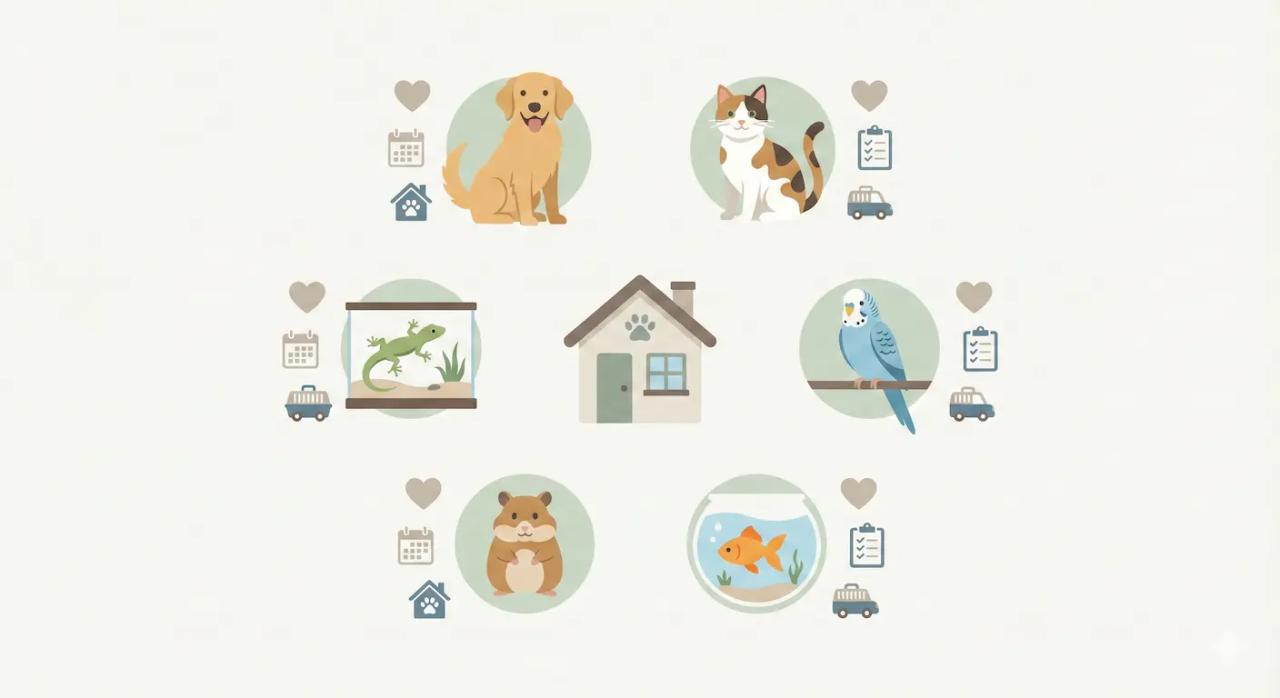
What Pet Ownership Really Means
Owning a pet is more than companionship—it’s a deep, long-term commitment that impacts your home, routine, and lifestyle. Globally, pet ownership has surged in recent years, with millions of households embracing furry, feathered, and scaled friends. This guide walks you through every step of responsible pet ownership: choosing the right pet, making ethical decisions, setting up your home, and caring for your companion through all life stages. Whether you’re adopting your first cat or adding a second dog, this guide has you covered.
Choosing the Right Pet for You
Choosing a pet isn’t about looks — it’s about fit. The right match leads to fewer behavior problems, lower stress, and a happier home for everyone involved.
Start With an Honest Lifestyle Check
Before falling in love with a species or breed, consider:
- Time: How many minutes or hours you can realistically give every day
- Space: Apartment vs house, indoor vs outdoor access
- Energy level: Active and outdoorsy or calm and low-key
- Schedule: Long workdays, travel, or lots of time at home
- Budget: Ongoing food, vet care, supplies, and emergencies
- Experience: First pet vs hands-on experience with animals
Understand Basic Pet Needs
Different pets thrive under very different conditions:
- Dogs need daily exercise, training, and social interaction
- Cats need stimulation, routine, and independence
- Small mammals need enclosure care, enrichment, and often companionship
- Birds require mental engagement and consistent interaction
- Reptiles & fish need precise environments, not “set and forget” care
Low-maintenance doesn’t mean no maintenance.
Match Pets to Common Lifestyles
- Active people: energetic dogs, interactive pets
- Busy schedules: cats, fish, beginner reptiles
- Homebodies: adult cats, calm small dogs, aquarium pets
- Families: patient, sturdy species with supervision
- Apartments: quiet, low-space, low-odor pets
Avoid Common Beginner Mistakes
- Choosing impulsively
- Underestimating time or costs
- Ignoring allergies or housing rules
- Skipping enrichment and training
- Adopting exotics without vet access
👉 Read the full guide: How to Choose the Right Pet for Your Lifestyle Includes a step-by-step lifestyle audit, pet personas, time/budget math, and a decision flow to help you commit with confidence.
Adopt or Buy? Making the Ethical Choice
Bringing a pet into your life is a moral decision as much as a practical one. In most cases, adoption is the most ethical and responsible choice — but when buying is necessary, how you do it matters just as much as why.
Why Adoption Is the Ethical Default
- Lives saved: Every adoption frees space for another animal in need
- Built-in health value: Many shelters include spay/neuter, vaccines, microchipping, and parasite care
- No cruelty funding: Adoption avoids supporting mass breeding and poor welfare systems
- Better matching: Shelter staff often help match pets to your lifestyle and energy level
When Buying Can Be Reasonable
Buying may make sense when you need:
- Predictable traits (e.g., assistance, therapy, sport work)
- Known ancestry or specific working lines
- A breed rarely found in shelters
In these cases, the responsibility shifts to you to choose ethically and carefully.
What Ethical Breeders Always Do
- Allow visits or live video tours of the home/kennel
- Provide documented, breed-specific health testing
- Raise animals in clean, enriched, home-like environments
- Use written contracts with health guarantees and return clauses
- Ask you questions before agreeing to place an animal
Limited litters and waiting lists are normal — over-availability is a warning sign.
Red Flags to Walk Away From
- No access to the mother or living conditions
- Multiple breeds or constant availability
- Under-age animals or missing vet records
- Pressure tactics, urgent deposits, stock photos
- Parking-lot or shipping-only handoffs
Start Smart
- Begin with adoption whenever possible
- If buying, verify everything and walk away at the first red flag
- Plan for first-year costs, vet care, enrichment, and training regardless of source
👉 Read more: Should You Adopt or Buy? Pros, Cons & Ethical Tips Includes breeder vetting checklists, scam avoidance tips, legal considerations, and a practical decision flow.
Introducing a New Pet to Your Home & the First Week Ahead
The first hours and days with a new pet are not about excitement — they’re about calm, safety, and predictability. A slow start helps your pet decompress, prevents problem behaviors, and builds trust that lasts for years.
Before Arrival: Set the Stage
Preparation reduces stress for both of you.
- Pet-proof your home: secure wires, remove toxic plants, lock away cleaners and small objects
- Screen windows/balconies; secure doors, gates, and enclosures
- Stage essentials in advance (food, water, litter/habitat, bed or hide)
- Limit visitors and noise on day one
Create a Decompression Space
Every pet — regardless of species — needs a quiet starting zone.
- Low-traffic room, crate, pen, enclosure, or tank (species-appropriate)
- All core resources inside: food, water, bed/hide, litter or full habitat
- Soft lighting, minimal noise, familiar scents if possible
Hiding is normal. This space is a no-pressure refuge, not a punishment.
Day 0: Arrival Day Rules
- Go straight from transport into the decompression space
- Open the carrier/crate and let the pet exit at their own pace
- Offer water first; a small meal later once relaxed
- Skip visitors, photos, and overstimulation — quiet is kindness
The First Week: Routine Over Excitement
Expect caution, extra sleep, or clinginess at first. That’s normal.
- Keep a simple, predictable schedule for meals, rest, and play
- Use short, positive interactions (5–10 minutes), then rest
- Expand space slowly — one room or change at a time
- Stick to the existing diet for several days before any transition
The Adjustment Roadmap: The "3-3-3 Rule"
Patience is a virtue, and your pet needs a lot of it right now. Use this shelter-standard timeline to manage your expectations:
- 3 Days (Decompression): They are overwhelmed. They may hide, refuse to eat, or sleep constantly. They do not yet feel "safe," just contained.
- 3 Weeks (Routine): They are settling in. The personality starts to emerge—including potential behavior issues or boundary-testing. They are learning your schedule.
- 3 Months (Belonging): They finally feel at home. Trust is built, they know the rules, and they feel secure enough to bond deeply.
Introductions (People & Pets)
- Start hands-off: let the pet approach
- Supervise kids closely; teach calm voices and gentle handling
- Introduce resident pets gradually using scent swaps and short, controlled sessions
- Predator-prey species (cats/dogs vs birds, small mammals, reptiles) should remain safely separated
Health & Stability
- Book a wellness exam within the first few days
- Register microchips and fit ID tags early
- Watch for red flags: no eating after 24–48 hours, vomiting, diarrhea, breathing issues, or extreme lethargy
Common Early Mistakes to Avoid
- Too much freedom too fast
- Crowded introductions
- Changing food immediately
- Ignoring stress signals
- Skipping the initial vet visit
👉 Read next: Introducing a New Pet to Your Home (Step-by-Step) For detailed safety checklists, decompression setup, and resident-pet introductions.
👉 Then: First 7 Days With a New Pet Includes a day-by-day plan, species-specific notes, feeding/sleep basics, and common first-week problems.
Building Harmony in Multi-Pet Homes
Building Harmony in Multi-Pet Homes
More pets can mean more joy — but also more tension if introductions are rushed. Peace in a multi-pet home comes from slow introductions, fair resources, and calm supervision, not “letting them figure it out.”
Core Rules for Peace
- Go slow: Rushed first meetings create long grudges
- Duplicate essentials: Food, beds, litter boxes, hides — no competition
- Watch body language: Believe what you see, not what you hope
- Supervise early: Freedom is earned gradually
- Get help early: Trainers or vets can prevent problems from escalating
Introductions: Slow and Structured
- Start pets separate, each with their own safe space
- Begin with scent swaps and positive associations (meals, treats)
- Move to brief, barrier introductions (gate, door crack)
- Progress to short, supervised meetings, ending on calm notes
- Increase time and space gradually — if tension rises, step back
Species Awareness Matters
- Dog ↔ Dog: parallel walks, loose leashes, short encounters
- Dog ↔ Cat: leash + escape routes; zero chasing
- Cat ↔ Cat: scent swapping, multiple litter boxes, vertical space
- Predator ↔ prey: birds, small mammals, reptiles, and fish must stay securely separated — safety is architecture, not trust
Resource Peace Model
- Separate feeding stations (ideally out of sight)
- One bed/hide per pet plus extras
- Cats: litter boxes = number of cats + one
- Rotate toys and enrichment to avoid guarding
- Schedule 1-on-1 time so no pet feels replaced
Read Stress Early
- Dogs: stiff posture, hard stare, growling
- Cats: flattened ears, tail twitching, hiding, urine marking
Never punish warnings like growls or hisses — they’re communication. Increase distance, redirect calmly, and reset.
Kids in Multi-Pet Homes
- Teach calm voices and gentle handling
- Pet safe zones are always kid-free
- All interactions supervised at first
- Give kids simple, supervised jobs to involve them safely
Long-Term Harmony
- Keep routines predictable
- Rotate enrichment and training
- Rewind introductions temporarily during big life changes (moves, holidays, new baby)
👉 Read the full guide: Building Harmony in Multi‑Pet Homes (Beginner Guide) Includes step-by-step introduction plans, species-specific playbooks, body-language cues, and when to call in professional help.
Traveling and Moving With Pets
Whether it’s a weekend road trip or a full relocation, pets don’t experience travel the way humans do. The goal isn’t perfection — it’s predictability, safety, and familiar routines. With the right prep, most pets handle trips and moves surprisingly well.
The Core Rule
Calm is a plan, not a mood. Pack early, move slowly, and keep daily rhythms steady.
Travel & Move Essentials (Pack First)
- Vet & records: Recent exam, vaccines, health certificates if required
- ID everywhere: Collar + tag, registered microchip, recent photo
- Secure transport: Size-appropriate carrier/crate or crash-tested harness (back seat only)
- Food & meds: Enough of the current diet, meds, basic first-aid
- Comfort items: Bed or blanket with familiar scent, favorite toy
- Cleanup kit: Waste bags, litter or pads, enzyme cleaner
- Paperwork: Airline bookings, hotel policies, import permits if applicable
During Car Trips
- Secure pets in the back seat — no laps, no front airbags
- Stop every 2–3 hours for water and bathroom breaks
- Never leave pets in parked cars, even briefly
- Light meals before departure; water at every stop
Flying or Public Transport
- Book early and check rules carefully (carrier size, breed restrictions, documents)
- Use an airline-compliant carrier and acclimate weeks in advance
- Avoid routine sedation unless explicitly advised by your vet
- Keep pets contained at all times in public spaces
Preparing for a Move
- Maintain feeding, walk, and sleep schedules as long as possible
- Set up a safe room in both the old and new home
- Pack gradually; introduce boxes slowly
- Keep beds and blankets unwashed until you’re settled
Arrival: First Hours Matter
- Go straight to the decompression space
- Let the pet explore at their own pace
- Offer water first, then a small meal
- Keep visitors away the first day — quiet builds confidence
Species Awareness
- Dogs: Secure harnesses; sniff breaks lower stress
- Cats: Covered carriers, travel litter, slow room-by-room expansion
- Birds: Stable temps, no aerosols/PTFE fumes, quiet rooms
- Reptiles & small mammals: Locked enclosures, temperature control, minimal handling
- Fish: Dark, insulated transport; save filter media when moving tanks
Common Mistakes to Avoid
- Rushing crate or carrier training
- Switching food on travel day
- Letting doors open before leashes are clipped
- Assuming “they’ll adapt” without routine
👉 Read next: Pet Travel Safety Checklist (Beginner Guide) For packing lists, flight rules, car-trip planning, and species-specific travel tips.
👉 Then: How to Prepare Your Pet for a New Home or Move Includes timelines, moving-day plans, international requirements, and first-week settling strategies.
Everyday Pet Care and Seasonal Challenges
Good pet care isn’t complicated — it’s consistent. Daily basics done well, plus a few seasonal adjustments, keep most problems from ever starting.
Daily Care Essentials (All Indoor Pets)
- Feeding: Measured, species- and age-appropriate meals; treats stay under 10%
- Water: Fresh and clean at all times (plus proper tank water quality for fish)
- Movement & enrichment: Physical activity and mental stimulation every day
- Cleanliness: Scoop litter, spot-clean cages, quick habitat checks
- Grooming touchpoint: Brief check of coat/skin, eyes, ears, teeth, nails
- Safety sweep: Secure cords, windows, balconies; remove small hazards
- Connection: Short, positive interactions throughout the day
Consistency beats perfection.
Feeding, Weight & Hydration
- Keep meal times predictable; portion with a measuring cup or scale
- Adjust food by life stage (growth, adult, senior) and monitor body condition
- Herbivores (rabbits/guinea pigs): unlimited hay + measured pellets
- Reptiles & fish: species-specific schedules — overfeeding causes harm
- Wash bowls regularly; check water sources more often in warm weather
Exercise & Enrichment
Boredom causes behavior issues.
- Dogs: Walks, play, short training bursts
- Cats: Daily play “hunts,” vertical space, scratchers
- Birds: Out-of-cage time, foraging, trick training
- Reptiles: Correct heat/UVB + habitat enrichment
- Small mammals: Daily floor time, tunnels, chew toys
- Fish: Clean, planted tanks encourage natural movement
Grooming & Health Maintenance
- Brush by coat type; trim nails regularly
- Dental care matters (especially dogs and cats)
- Birds, reptiles, and exotics need species-specific care — some tasks belong to a vet
- Annual wellness exams for all pets (more often for seniors or newcomers)
Seasonal Care Highlights
- Summer: Heat management, hydration, early/late exercise, parasite control
- Winter: Warm bedding, humidity support, paw protection, toxin awareness
- Spring/Fall: Shedding, allergies, flea/tick spikes, ventilation during home projects
Safety & Red Flags
- Lock away cleaners, meds, toxic plants, and small objects
- Secure screens, cords, appliances, and balconies
- Call a vet promptly for appetite loss, breathing issues, severe lethargy, pain, or unusual behavior — early care saves lives
Something to think of: If you end up in the hospital or pass away, who feeds the pet? Have a designated emergency contact who has a key and knows the vet details. Put this in your wallet.
👉 Read the full guide: Indoor Pet Care 101: Daily Basics & Seasonal Tips Includes species-specific feeding, enrichment ideas, grooming schedules, seasonal checklists, and “when to call the vet” signals.
The Human–Animal Bond: Long-Term Happiness
A well-cared-for pet gives more than companionship — they bring structure, purpose, and quiet reassurance into daily life. The strongest bonds grow from consistency, understanding, and mutual trust.
Why the Bond Matters
- Emotional balance: Pets reduce stress, encourage routine, and provide steady companionship
- Shared rhythm: Daily care creates a sense of order and presence in everyday life
- Mutual confidence: A secure pet feels safe; a confident owner feels calm
Training Is Communication
Training isn’t about control — it’s about clarity.
- Teaches pets how to succeed in a human world
- Builds trust through predictable, positive interactions
- Strengthens cooperation instead of forcing compliance
Short, kind, consistent training beats intensity every time.
Ask for Help Early
Behavior changes are communication too.
- Anxiety, fear, aggression, or withdrawal deserve attention
- Early support from a vet, trainer, or behavior professional prevents escalation
- Seeking help is responsible ownership, not failure
Care Evolves With Life Stages
Your bond deepens when care grows with your pet:
- Young: Teaching, socialization, patience
- Adult: Enrichment, routine, shared activities
- Senior: Comfort, mobility support, gentler expectations
Meet your pet where they are — not where they used to be.
Common Mistakes First-Time Owners Make (and How to Avoid Them)
Most problems new pet owners face aren’t about bad intentions — they come from underestimating the commitment or waiting too long to ask for help. A little foresight prevents a lot of stress.
The Most Common Pitfalls
- Underestimating time and cost: Pets need daily care, training, and long-term financial support
- Skipping training or socialization: Gaps early on often turn into anxiety or behavior issues later
- Ignoring early symptoms: Small changes in eating, behavior, or energy can signal real health problems
Simple Fixes That Work
- Plan realistically: Build a monthly budget and a daily care routine before you bring a pet home
- Learn as you go: Use reputable guides, classes, and vet advice instead of guesswork
- Build a support network: Vets, trainers, experienced owners, and reputable communities matter
- Act early: When something feels off, check it — early care saves money and lives
Good pet ownership isn’t about perfection. It’s about paying attention, staying curious, and asking for help in time.
Conclusion: Responsible Ownership Is Lifelong Love
Your pet depends on you—for food, care, safety, and love. Responsible pet ownership requires knowledge, planning, and flexibility. But the rewards? Invaluable.
Bookmark this guide. Return often. Because every day is a new opportunity to be the pet parent your companion deserves.
Try these tools
Pet Name Generator
Generate the perfect name for your new pet based on species, breed, and personality.
Try Now ->Pet Cost Calculator
Estimate the lifetime cost of owning different types of pets.
Try Now ->Toxic Foods Checker
Quickly check which foods are harmful to your pet and read important safety tips.
Try Now ->